At Johnson Estate, stewardship isn’t a program or a buzzword. It’s simply how we farm.
This estate has been in our family for generations, and we believe the land should be cared for with intention — not only to grow exceptional grapes today, but to ensure that the fields, vineyards, creeks, and woodlands remain healthy for the future. To us, stewardship means leaving this place — and the environment around it — in better condition than we found it.
A Working Farm, A Living Ecosystem
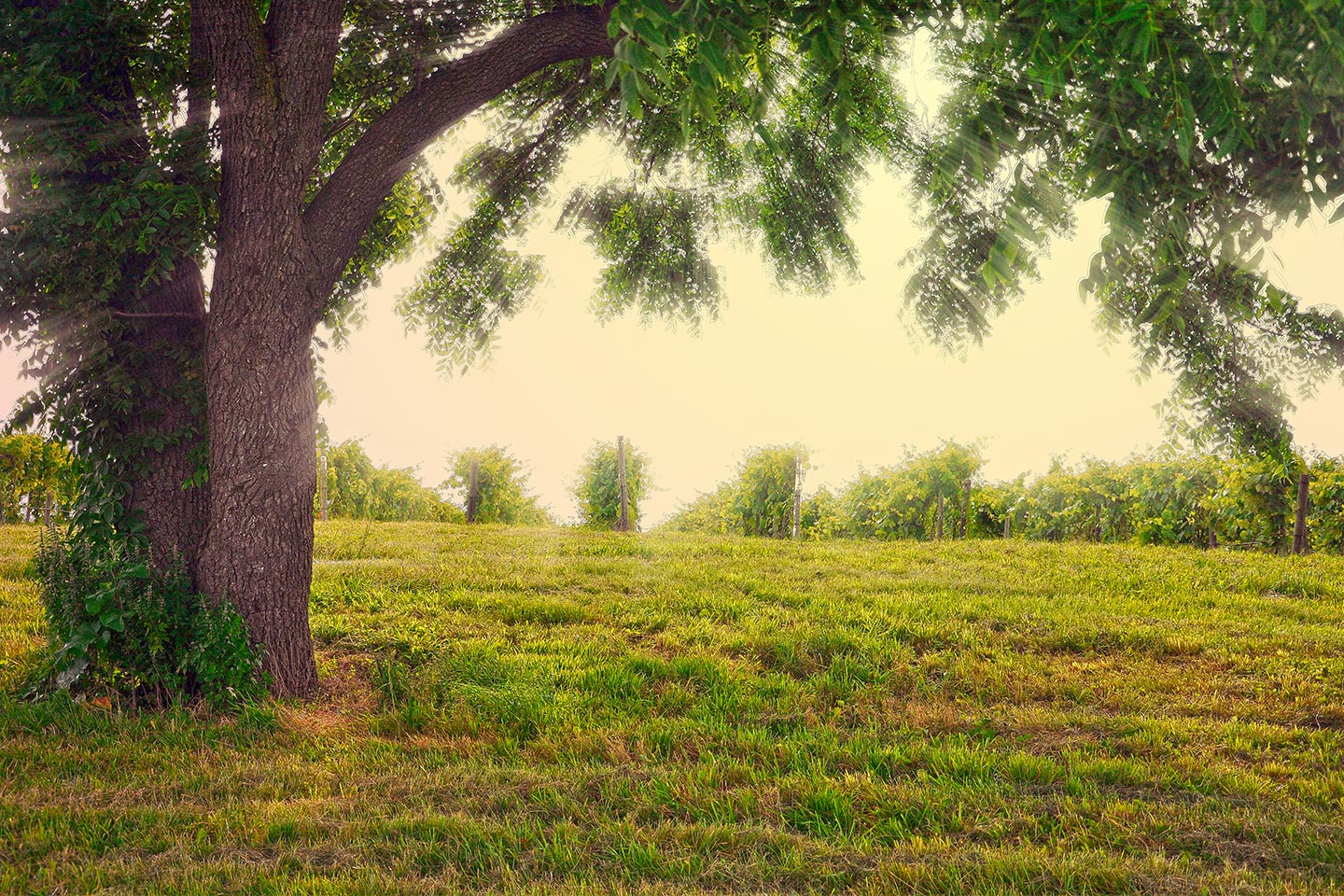
Johnson Estate is more than vineyards. Our farm includes meadows, creekside habitats, and recovering woodlots that are part of the natural balance of the property. Everything is connected: healthy soils support healthy vines, and healthy vines make better wine.
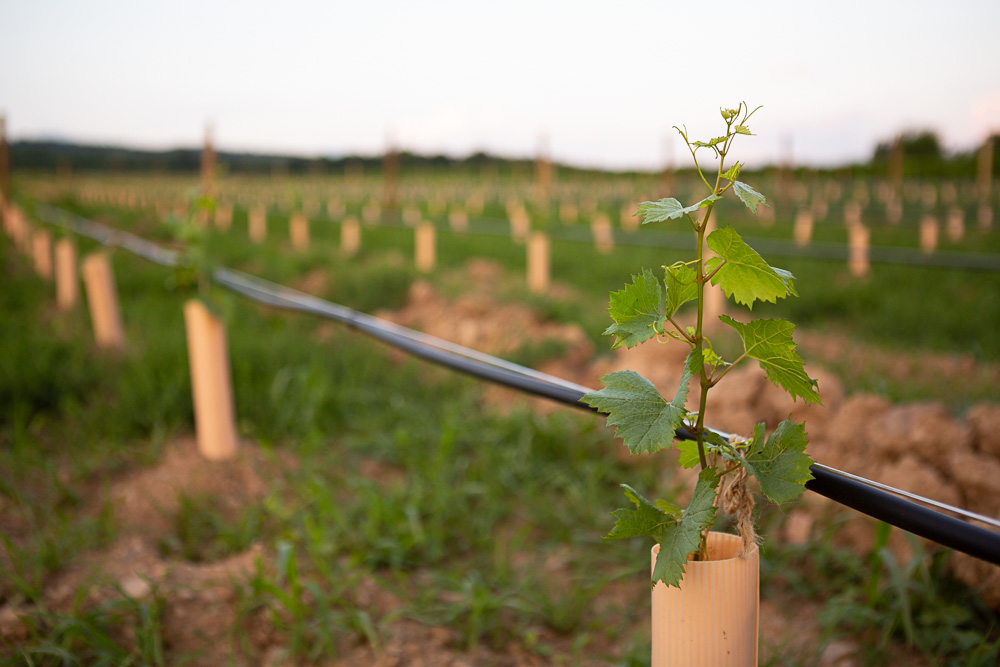
We focus on long-term vineyard vitality through practices that support soil health, water balance, and sustainable growing conditions.
Our approach includes:
These practices help strengthen the land year after year — not just for this vintage, but for the next generation.
Stewardship also means paying close attention to the details that make great grapes possible: airflow through the canopy, balanced yields, and thoughtful vineyard management that supports both fruit quality and vine health.
Energy, Efficiency, and the Bigger Picture
Johnson Estate is fortunate to operate in a region where electric power is largely supplied by ecological hydropower from Niagara Falls. Our warehouse also incorporates passive geothermal construction to reduce energy needs.
Sustainability here is practical, not performative — built into how the estate operates.
In partnership with Penn State, we conducted a study of the estate’s environmental impact and learned something meaningful: overall, Johnson Estate functions as a net carbon sink, rather than a carbon emitter.
Even with fermentation, tractors, and deliveries, the estate remains carbon negative for two primary reasons:
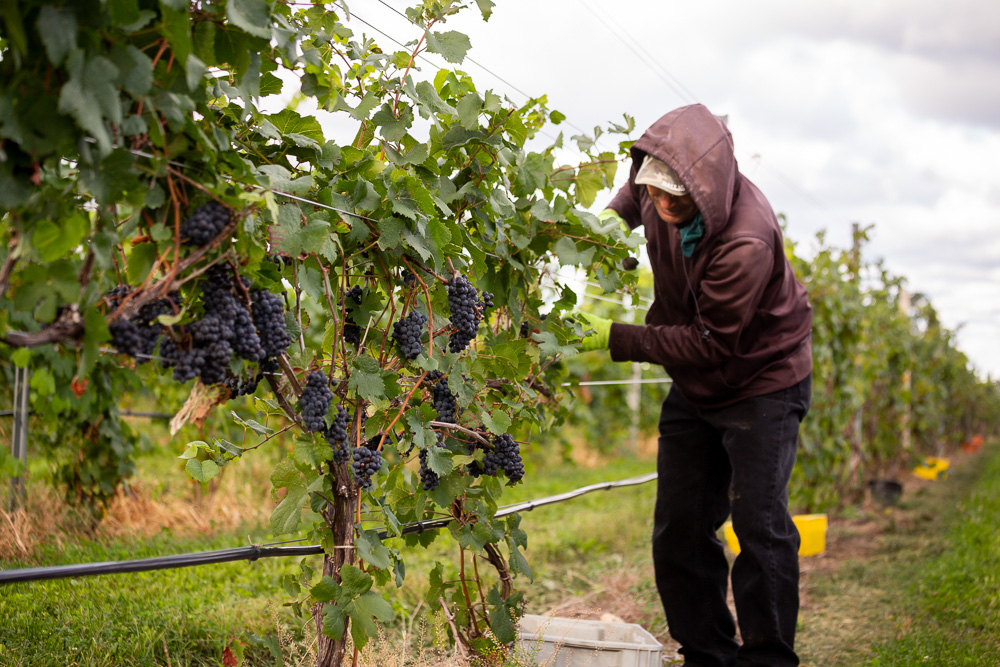
Well-managed vineyards contribute as well, through the biomass returned to the soil from vine trimmings and organic material. This is one more way the land continues to give back.
For our family, stewardship is not separate from winemaking — it is the foundation of it. Better soils. Healthier vines. Stronger ecosystems. More expressive wines. That’s what it means to farm with purpose, vintage after vintage.
8419 West Main Rd. (Route 20)
Westfield, NY 14787
Map & Directions
March – October
10am-6pm Daily
November – February
10am-5pm Sunday-Thursday
10am-6pm Friday & Saturday
Closed Thanksgiving, Christmas, New Year’s Day, and Easter
Keep up to date on the latest wine releases, events, and promotions!